Unleash Playful Charm with the Murbey Display Font
There’s a particular kind of design challenge that calls for something beyond the usual suspects. You’re working on a project—a line of artisanal hot sauce labels, a boutique wedding invitation suite, a series of motivational posters for a co-working space—and you need a typeface that doesn’t just sit there looking pretty. You need one with personality, one that sparks a bit of joy and makes people look twice. This is precisely the territory where Murbey, a fun and unique display font, truly excels. It’s the kind of creative asset that can transform a standard design into something memorable and full of character.
A Typeface with a Whimsical Soul
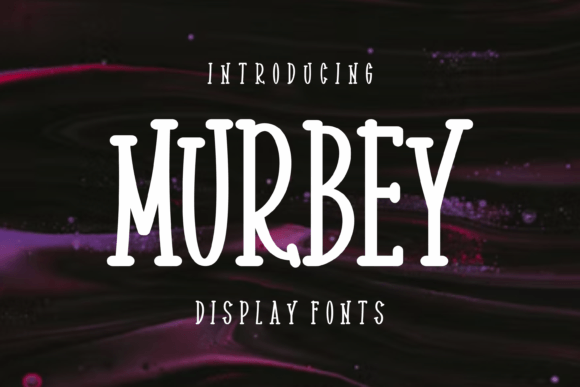
At its core, Murbey is a display font, which means its primary purpose is to make a visual impact at larger sizes, like in headlines, logos, and posters. What sets it apart is its incredibly versatile style, which walks a delightful line between playful quirkiness and modern sophistication. The letterforms have a subtle, hand-crafted quality, with rounded edges and unexpected details that give it a friendly, approachable feel. It avoids being childish, instead offering a contemporary take on whimsy that appeals to adults. Whether you're a designer crafting brand identity materials or a small business owner creating your own packaging, this typeface brings a distinct and adaptable voice to the table.
Consider its application in logo design. A logo for a children’s bookstore, a creative agency, or a trendy café could use Murbey to instantly communicate a sense of innovation and approachability. The font’s unique silhouettes ensure the brand name is recognizable and stands out in a crowded marketplace. It’s a premium font that delivers professional results without feeling stiff or corporate, making it ideal for projects where personality is a key selling point.
From Social Feeds to Storefronts: Practical Applications
The true test of a good creative font is how well it translates across different mediums. Murbey shines here, offering practical value for a wide array of projects. Let’s break down some real-world uses where this typeface can elevate your work.
For Digital Presence and Marketing:
- Social Media Graphics: Create eye-catching social media posts that stop the scroll. Use Murbey for quote graphics, announcement tiles, or Instagram Story headers to build a consistent and engaging visual feed.
- Websites and Blogs: Employ it for hero section headlines, section titles, or call-to-action buttons to inject energy into your site’s design. It pairs beautifully with clean sans serif fonts for body text, creating a dynamic and readable hierarchy.
- Digital Products and Marketing Assets: Design standout eBook covers, webinar slides, email newsletter headers, and promotional banners that feel professional and full of life.
For Physical Products and Print:
- Packaging Design: This is where Murbey can be a game-changer. Use it for product names on labels for gourmet foods, cosmetics, craft beers, or boutique candles. It helps a product tell a story before it’s even picked up.
- Stationery and Invitations: Create fun stationery art for greeting cards, thank-you notes, or party invitations. For event branding—think birthdays, baby showers, or product launches—it sets a joyful and welcoming tone.
- Posters and Merchandise: Design quirky stickers, tote bags, mugs, and event posters. Its bold presence ensures your message is clear and visually appealing from a distance.
- Editorial Layouts: Use it for magazine feature titles, pull quotes, or chapter headings in books to add a touch of modern flair and break up dense text layouts.
Smart Typography: Pairing and Professional Polish
Introducing a strong display typeface like Murbey into your toolkit requires a bit of strategy to maintain visual consistency and professional presentation. The key is balance. Because Murbey has so much character, it’s best used sparingly for impact—typically for headlines, logos, or short phrases. For longer body copy, pair it with a highly legible serif font or a neutral sans serif font. This contrast ensures readability while allowing the display font to command attention where it matters most.
Always test your font pairing in context. Create a mockup of your project—whether it’s a website layout or a product label—to see how the fonts interact. Check for visual harmony and ensure the hierarchy is clear. Does the body text complement or compete with the headline? Is the overall mood aligned with your project goals? For a brand focused on audience engagement, this careful selection process is crucial. Murbey helps improve brand recognition by being distinctive, but it must work in concert with other design elements to tell a cohesive story.
Making Murbey Work for You
Before diving in, take a moment to explore the full character set of any font you consider. Look at the included styles—does it come with alternates, ligatures, or multiple weights? These features can provide valuable flexibility. For instance, different stylistic alternates for key letters like ‘a’, ‘g’, or ‘y’ can give you options to fine-tune the look for a specific project, adding another layer of customization to your design assets.
Finally, a practical note on usage: if you’re using Murbey for commercial projects—which is likely for many of you—it’s essential to understand the licensing. Ensure the commercial font license you acquire covers your intended use, whether it’s for client work, merchandise, or digital products sold online. This is a standard professional step that protects both you and the font creator, allowing you to use this wonderful typeface with confidence across all your creative endeavors.