Neon Light: A Display Font That Pulses with Energy
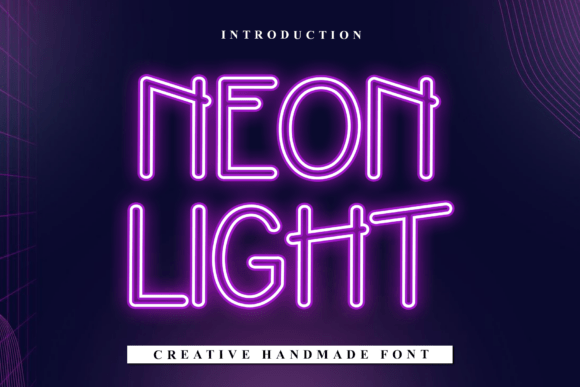
There’s something magnetic about a well-crafted neon sign. It cuts through the visual noise of a busy street, commands attention in a dark room, and instantly communicates a specific mood—whether that’s retro nostalgia, futuristic cool, or pure high-energy excitement. For designers and creators looking to bottle that electric essence and apply it to digital and print projects, the Neon Light typeface offers a compelling solution. This isn't just another decorative font; it's a carefully engineered display typeface that simulates the authentic glow and physicality of glass tubing, making it a powerful tool for modern branding and creative work.
Beyond the Glow: Understanding the Font's Visual DNA
What sets this premium font apart is its masterful balance between a sleek, geometric structure and a distinctly handmade, creative aesthetic. The designers have focused on unique character joins that don't just connect letters—they mimic the way actual neon tubes bend and fuse. This attention to detail gives the text a realistic, three-dimensional quality, moving it far beyond flat, generic "glow" effects. The result is a typeface with a strong, futuristic personality that feels both precise and alive. It’s a modern typography asset that doesn’t just sit on the page; it seems to hum with energy.
Where This Typeface Truly Shines: Practical Applications
Understanding a font's personality is one thing; knowing where to deploy it is where strategy comes in. The visual impact of Neon Light makes it ideal for projects that need to grab attention quickly and communicate a specific vibe. Think about the core message of your project first. Is it about nightlife, innovation, celebration, or cutting-edge tech?
For branding and logo design, it can become the cornerstone of an identity for a modern bar, a music festival, a tech startup, or a creative agency. Its unique form ensures high brand recognition. In packaging design, imagine it on labels for energy drinks, specialty coffee, or limited-edition consumer electronics, instantly signaling a product that’s bold and contemporary. For social media graphics, it’s a standout choice for Instagram stories, YouTube thumbnails, or event announcements where stopping the scroll is paramount. It translates exceptionally well to posters for concerts, club nights, and retro-futuristic themed events, capturing the energy of the occasion before a single word is read.
Don’t overlook its potential in web design and editorial layouts. Used sparingly for headlines, section titles, or pull quotes, it can inject a dynamic visual rhythm into a website, blog, or digital magazine. For merchandise like t-shirts, hats, and stickers, it offers a ready-made aesthetic that appeals to a youth-oriented, style-conscious audience. Even in invitations for milestone birthdays or New Year’s parties, and in the design of digital products like e-books or online course materials, it can set an engaging, memorable tone.
Integrating Neon Light into Your Design Toolkit
Adopting a strong display font like this requires a thoughtful approach to maintain professionalism and readability. Here’s some practical advice for making the most of it.
Prioritize Context and Readability. As a display font, its primary strength is in headlines, logos, and short, impactful text blocks. Avoid using it for long paragraphs of body copy; its intricate details can become overwhelming at smaller sizes and reduce reading comfort. Pair it with a clean, highly legible sans serif font or even a simple serif font for supporting text. A classic pairing might be Neon Light for a main heading with a font like Open Sans or Lora for the paragraph below. This creates a clear visual hierarchy.
Explore the Included Styles. Most premium font families offer more than one weight or style. Check if the Neon Light typeface includes variations like a lighter weight, an outline version, or an italic. Using these variants can add depth and flexibility to your designs without introducing a conflicting typeface. An outline version, for instance, could be perfect for layering effects.
Match Font to Project Goals. Before selecting it, ask: does this font’s personality align with my brand’s voice? A law firm might find it too casual, while a VR gaming studio would find it perfectly on-brand. Its creative, handmade quality works brilliantly for projects aiming for authenticity and energy, but may not suit those seeking minimalist austerity or traditional elegance.
Test Thoroughly Across Mediums. Always preview your designs in their intended environment. How does the font render on a mobile screen versus a printed banner? Test color combinations—a classic white or vibrant color on a dark background mimics a real neon sign, but also check its legibility against lighter backgrounds if needed.
Understand Licensing for Commercial Use. If you’re using this font for client work, merchandise for sale, or any commercial project, ensure you have the correct commercial license. This is a non-negotiable part of using design assets professionally. Purchasing from a reputable foundry or marketplace typically includes clear licensing terms for various use cases.
A Strategic Asset for Modern Visual Communication
Ultimately, incorporating a typeface like Neon Light into your repertoire is about more than just following a trend. It’s about having a specialized tool that can solve specific communication challenges. It helps achieve visual consistency across a campaign that revolves around a high-energy theme. It boosts brand recognition through its unique and memorable letterforms. When used correctly, it enhances professional presentation by showing a deliberate, thoughtful approach to design. Most importantly, it drives audience engagement by creating an immediate, visceral reaction—the same way a real neon sign makes you look twice as you walk by.
Whether you're a small business owner crafting a new brand identity, a content creator looking to make your digital presence pop, or a designer seeking a standout creative font for a client project, evaluating tools like this typeface is key. It represents a specific slice of the vast font landscape—one that prioritizes visual impact and personality. By understanding its strengths and learning how to apply it strategically, you can add a truly electrifying element to your design toolkit.