Garden Flower: A Display Font for Projects with a Natural Touch
There’s a particular challenge in design: finding a typeface that feels both personal and polished. You want something with character, a font that doesn’t just hold words but tells a story. Too often, decorative fonts sacrifice clarity for style, or they feel so niche they limit your creative options. Then you encounter something like Garden Flower, a display font that strikes a rare balance. Its floral-inspired letterforms carry an organic, hand-drawn quality, yet the overall structure remains clean and intentional. This isn’t just another script font; it’s a versatile tool for anyone looking to inject a touch of nature-inspired elegance into their work.
More Than Just Pretty Letters: The Visual Personality of Garden Flower
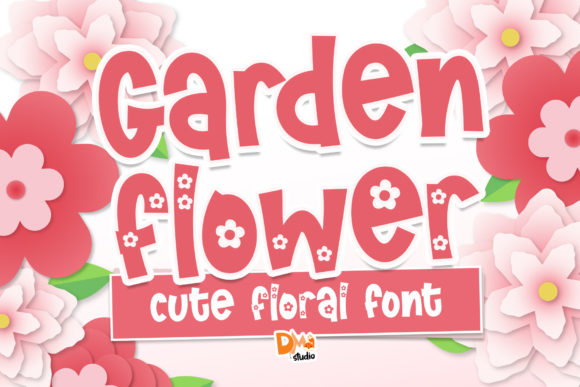
At first glance, Garden Flower captivates with its detailed, botanical aesthetic. Each character features subtle, flourished terminals and gentle curves that mimic the organic growth of plants and petals. This gives it an authentic, artisanal feel that’s hard to replicate with standard serif or sans serif fonts. The magic, however, lies in its design intelligence. Despite its decorative nature, it maintains a consistent baseline and x-height, ensuring that words form a cohesive, readable shape when used in titles or short bursts of text. It’s a premium font that understands its role: to be a standout headline font, not a body copy workhorse. This makes it an excellent choice for projects where the primary goal is to make a memorable first impression.
Where This Floral Typeface Truly Blooms: Practical Applications
The real value of a creative font like this is measured by its utility. Where does Garden Flower fit into your workflow? Its strength is in applications where personality and visual storytelling are paramount.
- Brand Identity & Logo Design: For businesses in the wellness, beauty, eco-friendly, boutique, or artisanal food spaces, this font can become a cornerstone of your brand identity. It instantly communicates values of naturalness, care, and craftsmanship. Imagine it on a logo for an organic skincare line or a local florist.
- Packaging Design: On product labels and packaging, it adds a layer of perceived quality and thoughtfulness. It works beautifully for product names on jars, boxes, or bottles, especially when paired with minimalist layouts that let the typography shine.
- Digital Presence: Use it strategically for website headers, blog post titles, or as a stylized pull quote to break up long-form content. On social media, it’s perfect for creating eye-catching Instagram graphics, Pinterest pins, or Facebook ad headlines that stop the scroll. It brings a cohesive, styled look to your digital assets.
- Print & Editorial Materials: From wedding invitations and event posters to magazine feature titles and book covers, Garden Flower adds a touch of romance and sophistication. It’s also ideal for creating unique stationery, letterheads, or thank-you cards that feel personal and premium.
- Merchandise & Marketing: Think about tote bags, mugs, or t-shirts. This display font lends itself well to merchandise where a single, stylish word or phrase is the focal point. In marketing, use it for headline copy on flyers, brochures, or email newsletter banners to inject personality.
Making It Work: Pairing and Readability in Practice
Using a strong decorative font effectively requires a bit of strategy. The goal is to let it enhance, not overwhelm, your project. Here’s how to approach it practically.
Pairing is everything. A common mistake is pairing a detailed font with another complex typeface. Instead, create contrast. Garden Flower pairs exceptionally well with clean, neutral sans serif fonts for body text. Think of fonts like Open Sans, Lato, or Montserrat. The simplicity of the sans serif provides a visual rest and ensures the body copy is highly readable, while the display font handles the personality-heavy lifting in headlines. For a more classic, editorial feel, you could also pair it with a sturdy, traditional serif font like Georgia or Merriweather.
Mind the context and size. Always test your chosen font at the size it will be viewed. A headline that looks magnificent on a large poster might become a blurry blob when scaled down for a mobile website header. Readability is non-negotiable. Use Garden Flower for short, impactful text—logos, titles, single-line calls to action. Avoid using it for paragraphs or small informational text; that’s a job for your paired, more legible typeface.
Review the full font family. When you acquire a commercial font, check what’s included. Does it have multiple weights or styles? Sometimes a font family includes a more subdued version that can be useful for subheadings, offering a bridge between the decorative display font and the body text. Understanding your full toolkit prevents last-minute design headaches.
Aligning Typography with Your Project's Heart
Choosing a font is a design decision that directly impacts communication. Ask yourself: what is the core emotion or message of this project? Garden Flower speaks to growth, beauty, care, and a touch of whimsy. It’s perfect for projects that want to feel approachable, elegant, and connected to nature. If your brand voice is ultra-modern, stark, or aggressively technological, it might not be the right fit. The best typography choices feel inevitable, as if the font was made for that specific purpose. This alignment is what builds visual consistency and strengthens brand recognition over time.
Finally, a note on licensing. Since this is a premium font, ensure you purchase the correct license for your use case. If you’re creating a logo for a client, a commercial license is typically required. If you’re using it on a website, check if the license covers web embedding. Reputable font foundries make this clear, and adhering to these terms is a professional necessity that supports the designers who create these valuable design assets.
In the end, Garden Flower is more than just a floral display font. It’s a specific tool for a specific job: to add a layer of organic sophistication and human touch to your creative projects. Used thoughtfully, with attention to pairing and context, it can help transform a simple design into something that feels curated, personal, and genuinely engaging. It’s about finding the right voice for your visual conversation.