Monogram Flowers: Adding Botanical Elegance to Your Typography
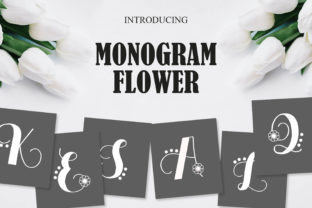
There’s a certain magic that happens when typography meets nature. A simple letter becomes a garden, a monogram transforms into a miniature work of art. If you’ve ever wanted to infuse your projects with that delicate, hand-crafted botanical feel, a specialized display font can be the key. One such typeface, Monogram Flowers, offers exactly this—a collection of elegant letterforms where each character is adorned with intricate floral decorations. It’s not just a font; it’s a visual tool designed to bring a specific, sophisticated aesthetic to life.
This style of decorative serif font sits at the intersection of classic typography and illustrative design. The letterforms maintain a strong, readable structure, but the added floral elements—think delicate vines, blooming roses, or subtle leaf accents—transform them into standalone pieces of visual art. For anyone working on a project that calls for a touch of romance, vintage charm, or organic elegance, this kind of creative font is worth exploring. It’s a premium font choice that prioritizes artistic flair, making it perfect for headlines, logos, and other focal points where a standard sans serif or script font might fall flat.
Where Botanical Typography Truly Blooms
Understanding where to use such a specialized typeface is half the battle. Its decorative nature means it won’t work for body text, but its impact in the right context is undeniable. Think of it as the statement jewelry of your design assets—used sparingly, it elevates everything around it.
Branding & Logo Design: For businesses in the wedding industry, floral shops, artisan bakeries, boutique hotels, or high-end skincare, a monogram-style font can become the cornerstone of a brand identity. Imagine a wedding invitation suite where the couple’s initials are rendered in these floral letters, or a logo for a natural cosmetics line that feels instantly luxurious and rooted in nature. The font does much of the heavy lifting in communicating brand values of craftsmanship, beauty, and attention to detail.
Packaging & Merchandise: Product packaging is all about shelf appeal. A beautifully designed box, label, or tag using floral monograms can make a product feel more premium and giftable. This extends to merchandise like tote bags, notebooks, or candle labels where the typography itself becomes the primary design element. It’s a direct way to connect the product’s physical form with an aesthetic promise.
Editorial & Print Layouts: In magazines, lookbooks, or menu design, using Monogram Flowers for chapter headings, pull quotes, or section dividers adds a layer of sophistication. It breaks up the monotony of standard serif or sans serif fonts and guides the reader’s eye with visual interest. For a blogger or content creator designing a digital media kit or a printable PDF guide, these touches can significantly enhance perceived value and professionalism.
Beyond Aesthetics: The Practical Side of a Decorative Font
While visual appeal is the primary draw, practical considerations ensure the font works for you, not against you. A beautiful typeface that’s illegible or clashes with other elements creates more problems than it solves.
The key is font pairing. A complex, decorative display font like this needs a clean, neutral counterpart. Pair it with a simple sans serif or a classic serif font for body copy. The contrast allows the floral monograms to shine without overwhelming the viewer. For example, a wedding invitation might use the floral font for the names and a clean serif like Garamond or a modern sans serif like Lato for the event details. This balance is crucial for readability and a professional presentation.
Always test the font in context. How do the floral details look at the size you intend to use? On a small product tag, intricate details might get lost. On a large poster or website hero image, they’ll be stunning. Review the included font styles—does it come with alternates or a simpler version? Some premium fonts include multiple styles, giving you flexibility. For instance, you might use the fully decorated version for a logo lockup and a slightly simpler version for social media graphics where clarity at small sizes is key.
Finally, commercial licensing is non-negotiable for any professional project. If you’re using the font for a client’s logo, on products for sale, or in marketing materials, you must ensure you have the correct license. Most reputable font foundries offer clear licensing options for personal and commercial use. This isn’t just a legal formality; it’s part of respecting the craft of type design and ensuring your project is built on a solid, ethical foundation.
Crafting a Cohesive Visual Story
The ultimate goal of any design choice is to support a larger narrative. A font like Monogram Flowers doesn’t just decorate; it communicates. It tells a story of elegance, care, and a connection to natural beauty. When used thoughtfully across your brand’s touchpoints—from your website’s 404 page to your thank-you cards—it builds a cohesive visual language that your audience will recognize and remember.
This consistency strengthens brand recognition. A customer who sees those distinctive floral letters on a social media post will instantly connect them to your product on a shelf or your website header. It’s a powerful tool for building a memorable identity in a crowded marketplace. For the entrepreneur or small business owner, investing in a few high-quality, versatile design assets like a distinctive font can be far more effective than a dozen generic ones.
So, whether you’re designing a logo for a new startup, laying out a special edition zine, or creating a series of inspirational social media quotes, consider the story you want your typography to tell. Sometimes, the right letterforms—like those found in a thoughtfully crafted floral monogram font—are all you need to turn a simple message into an unforgettable visual experience.