Rought Vintage: The Raw Edge Your Designs Have Been Missing
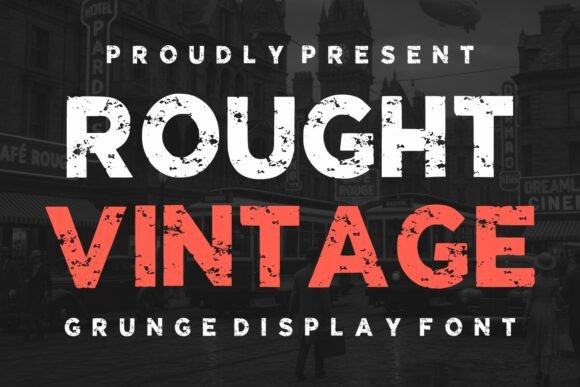
There’s a certain magic in things that look like they’ve lived a little—a faded gig poster stapled to a coffee shop wall, a brewery logo that feels hand-stamped, or a clothing tag that whispers of decades past. In a world saturated with sleek, digital perfection, this kind of authentic, textured character stands out. It’s not about being messy; it’s about being real. This is the precise feeling captured by Rought Vintage, a bold grunge display font designed to inject raw, weathered personality into any project it touches. It’s a typeface that doesn’t just sit on a page; it tells a story of texture, time, and tenacity.
More Than Just Distressed Letters
At first glance, you might categorize Rought Vintage simply as a distressed or grunge font. But that would miss its core strength. This is a carefully crafted display typeface where every roughened edge and uneven ink trap is intentional. The rugged textures aren’t random noise; they emulate the authentic wear of a vintage print or a hand-painted sign. This gives it an immediate sense of history and credibility. Unlike a clean sans serif font that communicates modern efficiency, Rought Vintage communicates heritage, craftsmanship, and a hands-on approach. It’s a tool for designers who want to evoke a specific mood—one of rebellion, nostalgia, or handmade quality—without saying a word.
Where This Font Truly Shines: Real-World Applications
The true test of any creative font is how it performs in the wild. Rought Vintage’s bold, high-impact nature makes it exceptionally versatile for projects where a headline needs to grab attention and hold it with character.
- Branding & Logo Design: For a craft brewery, a record store, a tattoo parlor, or an outdoor apparel brand, this font can become the cornerstone of a brand identity. It instantly communicates a brand’s values—authenticity, durability, and a non-corporate vibe.
- Packaging Design: Imagine it on a coffee bag label, a hot sauce bottle, or a box for artisanal goods. The texture adds a tactile quality to the visual, suggesting the product inside is crafted with care.
- Posters & Editorial Layouts: It’s perfect for event posters, magazine feature headlines, or album covers. The strong character ensures your title stands out in a crowded visual field, ideal for music, film, or art-related content.
- Digital Presence & Marketing: Use it strategically on website hero sections, for blog post titles, or in social media graphics to break the monotony of standard web fonts. It can make a promotional sale announcement or a podcast episode title feel more urgent and interesting.
- Merchandise & Print Materials: From t-shirts and hats to stickers and business cards, Rought Vintage translates beautifully to physical items. The worn effect looks fantastic on fabrics and textured papers, adding value to your merchandise.
Pairing with Purpose: Making Rought Vintage Work in a System
A premium font like Rought Vintage is a star player, but it needs a supporting cast. Its heavy, textured personality means it’s best used for headlines, logos, and short bursts of text. For body copy or longer paragraphs, you need a complementary partner to ensure readability.
A classic serif font like a sturdy slab serif or a traditional old-style typeface can create a beautiful dialogue between old-world elegance and raw energy. Alternatively, pairing it with a clean, geometric sans serif font provides a striking modern contrast that lets the vintage texture pop even more. The key is balance. Test your font pairing by setting a headline in Rought Vintage and the subhead or body text in your chosen partner. Do they share a similar x-height or visual weight? Does the overall feel align with your project’s goals? This testing phase is crucial for achieving professional visual consistency.
Practical Considerations Before You Dive In
Before integrating a powerful typeface like this into your workflow, a few practical checks will ensure a smooth process.
- Review the Full Font Family: Does the package include multiple weights or styles? Having options like a bold, regular, or even a condensed version can significantly increase its utility across different design assets.
- Test at Scale: Download a trial version and test it at the sizes you’ll actually use. A font that looks fantastic as a 72pt headline might lose its detail at 14pt. Ensure its intended use matches its strengths.
- Understand the License: This is non-negotiable for any commercial font. Carefully review the licensing terms. Is it a desktop license for your computer? A webfont license for your site? An app license? Using a font outside its license can lead to legal issues. A reputable foundry or marketplace will make these terms clear.
- Consider Your Audience: While the grunge aesthetic is powerful, it’s not universal. Ensure the raw, edgy vibe resonates with your target audience and the message you want to convey. A vintage-inspired wedding invitation might call for a different style than a poster for a rock concert.
Ultimately, choosing a typeface is about finding a voice for your project. Rought Vintage offers a specific, powerful voice—one that’s weathered, confident, and full of story. It’s a design asset for when you want to move beyond the merely decorative and create something that feels genuinely lived-in. Used thoughtfully, it can transform a standard layout into a memorable piece of visual communication, helping your brand or project resonate with an audience that appreciates depth and character over sterile perfection.