Gold Brush: A Bold Typeface for Commanding Visuals
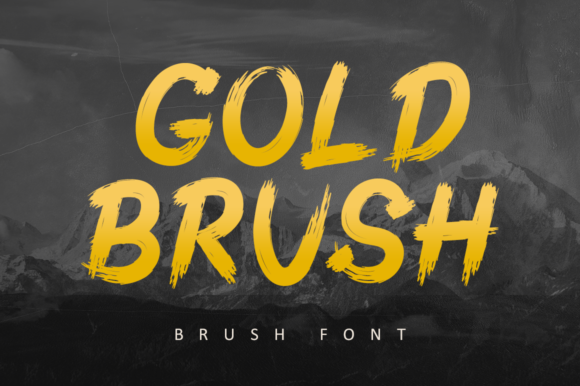
There’s an undeniable energy that comes from a font that refuses to be ignored. It’s the kind of typeface that stops a scrolling thumb, demands a second look on a crowded shelf, and injects instant personality into a blank canvas. This is the power of a bold brushed display font. One such typeface that embodies this assertive, dramatic character is Gold Brush. Its sweeping, textured strokes carry a sense of movement and confidence, making it a compelling choice for projects where first impressions are everything. Whether you’re designing a logo for a new venture, crafting packaging that pops, or creating social media graphics that stand out, the right display font acts as the voice of your visual message.
Capturing a Dramatic and Confident Aesthetic
Gold Brush isn’t just a collection of letters; it’s a design asset with a distinct personality. The brushed effect gives it an organic, hand-crafted feel that digital precision often lacks. This texture adds depth and warmth, preventing designs from feeling sterile or overly corporate. The font’s assertive style means it naturally becomes a focal point. This makes it particularly effective for headlines, titles, and any text meant to carry thematic weight. Think of a poster for a music festival, the title card for a YouTube video series, or the main text on an artisan coffee label. In these contexts, the font does more than spell out words—it sets a mood, communicates a brand’s ethos, and engages the viewer on an emotional level before they even process the literal meaning.
The visual appeal lies in its balance of drama and approachability. While bold, the brush strokes prevent it from feeling aggressive or harsh. This duality allows it to work across a surprising range of applications. It can feel luxurious and premium for a high-end product, yet also playful and energetic for a creative workshop or a children’s book cover. This versatility is a key advantage for designers and creators who need a single typeface to anchor multiple pieces of a visual identity system. When selected thoughtfully, a font like this becomes a cornerstone of brand recognition.
Practical Applications Across Creative and Commercial Projects
Understanding where a font shines is crucial for leveraging its full potential. Gold Brush’s character makes it a strong contender for projects that thrive on visual impact and emotional connection.
- Branding and Logo Design: A logo is the most condensed expression of a brand. A bold brushed font can instantly convey creativity, passion, and authenticity. It’s an excellent fit for businesses in creative industries, food and beverage, boutique retail, or personal branding for artists and influencers. The texture adds a human touch that can make a brand feel more relatable and memorable.
- Packaging and Merchandise: On a crowded shelf, packaging has to communicate quickly. The assertive nature of a display font like Gold Brush can help a product stand out. It works wonderfully for product names, taglines, or featured ingredients on labels for items like hot sauces, craft beers, cosmetics, or specialty foods. The same principle applies to merchandise—think bold, eye-catching text on t-shirts, tote bags, or mugs.
- Print and Editorial Design: Posters, flyers, and magazine covers benefit from typography that commands attention. The font can create powerful headlines that draw readers in. For editorial layouts, using it for pull quotes or chapter titles can add a dynamic element to an otherwise text-heavy page, improving the overall visual hierarchy and reader engagement.
- Digital Presence: In the fast-paced digital world, capturing attention is paramount. The font can be used strategically for website hero sections, blog post titles, or key call-to-action buttons to guide the user’s eye. For social media graphics—especially on platforms like Instagram and Pinterest—it’s perfect for creating shareable quotes, announcement posts, or video thumbnails that pop in a crowded feed.
- Events and Invitations: For weddings, galas, workshops, or launch parties, the invitation sets the tone. A brushed font brings a sense of elegance and excitement, promising an event that’s been thoughtfully curated. It moves beyond the formality of traditional script fonts, offering a modern yet personal vibe.
Integrating a Display Font into a Cohesive Design Strategy
Choosing a striking font is only the first step. Using it effectively requires a strategic approach to typography that supports your broader project goals. The primary rule with any high-impact display font is moderation. Its strength is in headlines and focal points. Using it for body text would quickly overwhelm the reader and sacrifice readability. The goal is to create a visual hierarchy where the display font draws attention, and a simpler, more legible companion font—such as a clean sans serif or a classic serif—handles the supporting text.
Font pairing is where the real magic happens. Gold Brush’s textured, handwritten style creates a beautiful contrast with minimalist sans serif fonts like Montserrat or Lato. This pairing allows the display font’s personality to shine without competition, while the body text remains easy to read. For a more eclectic or editorial feel, it can also be paired with a refined serif font, but this requires careful balancing of scale and spacing. Always test your pairings in context. View them at the size they’ll be used, check legibility on different screen sizes for digital projects, and print samples for physical materials.
Readability is non-negotiable. Before finalizing any design, scrutinize the letterforms. Are the characters distinct enough to be read quickly at a glance? Does the texture interfere with clarity at smaller sizes? In most cases, a well-designed brushed font will maintain its character while ensuring key information is communicated. It’s also wise to explore the full font family. Many premium fonts include alternate characters, ligatures, or stylistic sets that offer subtle variations, allowing you to customize the look and feel even further for a unique brand expression.
Finally, always verify the licensing for your intended use. A font designated for personal use only cannot be used in commercial projects, logos, or merchandise for sale. Reputable font marketplaces provide clear licensing information, often with different tiers for desktop, web, or app use. Investing in the correct commercial license protects your business legally and supports the type designers who create these valuable creative tools. By thoughtfully selecting, pairing, and applying a typeface like Gold Brush, you transform typography from a functional element into a powerful driver of brand identity, audience engagement, and professional presentation.