Yamaji: The Bold Japanese Typeface for Modern Design
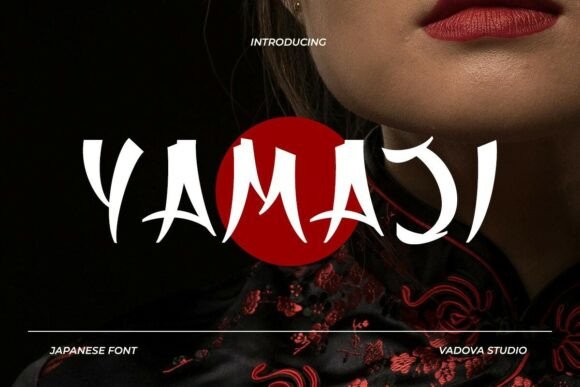
There’s a certain energy that great typography can capture—something beyond mere letters on a page. It’s the feeling of a brushstroke frozen mid-motion, the weight of tradition meeting contemporary flair. Yamaji, a dynamic Japanese font, does exactly that. It blends the fluid artistry of traditional calligraphy with a bold, modern edge, making it a compelling choice for designers and creators who want their work to feel both authentic and powerful. Whether you’re crafting a brand identity, designing event posters, or developing eye-catching social media content, this typeface brings a distinctive character that’s hard to ignore.
A Visual Language of Strength and Culture
What makes Yamaji stand out in a sea of display fonts? Its visual personality is rooted in contrast and movement. The strokes carry the organic imperfections of hand-painted calligraphy, yet they’re structured with a confident, almost martial precision. This duality makes it versatile—it can evoke ancient traditions, the intensity of martial arts, or the vibrant energy of contemporary Asian-inspired art. Unlike more rigid serif or sans-serif fonts, Yamaji has an expressive quality that instantly draws the eye. It’s not just a typeface; it’s a visual statement.
For branding projects, this kind of character is invaluable. Imagine a boutique tea company using Yamaji on its packaging—the font’s brush-like texture would immediately communicate authenticity and craftsmanship. Or consider a fitness brand incorporating it into their logo; the bold, sweeping lines would convey strength and dynamism. The font’s ability to bridge cultural aesthetics with modern design trends makes it a practical tool for anyone looking to create a memorable brand identity.
Where This Font Truly Shines
Yamaji isn’t a one-trick pony. Its versatility allows it to adapt to a wide range of creative applications, each benefiting from its unique visual impact. Here’s where it tends to make the strongest impression:
- Editorial and Poster Design: Headlines and titles demand attention, and Yamaji delivers. Use it for magazine covers, event posters, or book jackets where you need to set a dramatic tone. Its high-contrast strokes ensure readability even at larger sizes, making it perfect for standalone display text.
- Digital and Social Media: In the fast-scrolling world of Instagram or TikTok, a font with personality stops thumbs. Yamaji works exceptionally well for social media graphics, video thumbnails, and banner ads. Pair it with a clean sans-serif for body text to maintain balance and readability.
- Packaging and Merchandise: Products on a shelf have seconds to make an impression. Yamaji’s distinctive style can elevate packaging for specialty foods, beverages, or artisanal goods. It also translates well to merchandise like t-shirts, tote bags, or posters, where bold typography often drives appeal.
- Digital Interfaces and Web Design: While primarily a display font, Yamaji can be used strategically on websites—think hero sections, landing page headlines, or featured product titles. Its visual weight can anchor a page’s design, but careful pairing with a neutral body font is essential to avoid overwhelming the reader.
Pairing Yamaji with Other Fonts
A great font often works best in conversation with others. Because Yamaji is so expressive, pairing it with simpler typefaces helps maintain hierarchy and readability. A classic sans-serif like Montserrat or a clean serif like Lora can provide a neutral counterpoint, allowing Yamaji’s headline text to pop without competing for attention. When testing font pairings, consider contrast in weight, style, and x-height. For example, combining Yamaji with a light, geometric sans-serif creates a dynamic visual rhythm that feels both modern and balanced.
It’s also worth exploring the different weights or styles included with the font family. Many premium fonts come with variations—like regular, bold, or italic—that offer flexibility. If Yamaji includes alternate characters or stylistic sets, experiment with them to see how they can adapt to different contexts, from formal invitations to energetic promotional materials.
Practical Tips for Using a Display Font Effectively
Using a font like Yamaji effectively requires more than just applying it to your text. Here are a few practical considerations to keep in mind:
- Context Matters: While Yamaji excels in bold, creative projects, it might not suit every situation. For body text or small print, a more legible typeface is necessary. Reserve Yamaji for headlines, logos, or short impactful phrases where its details can be appreciated.
- Spacing and Alignment: Display fonts often benefit from generous letter-spacing (tracking) and thoughtful alignment. Test how the text looks with adjusted spacing to ensure it doesn’t feel cramped or lose its visual flow.
- Color and Background: The font’s brush-like quality can get lost on busy backgrounds. Use solid colors or simple textures to let the typography stand out. High-contrast color combinations also help maintain readability.
- Commercial Use and Licensing: Before incorporating any premium font into a commercial project, verify the licensing terms. Ensure the license covers your intended use—whether for digital products, print materials, or merchandise—to avoid legal issues down the line.
Building a Cohesive Visual Identity
Typography is a cornerstone of brand consistency. When a typeface like Yamaji is used thoughtfully across multiple touchpoints—from a website header to social media graphics to physical packaging—it reinforces brand recognition and creates a unified visual language. This consistency helps audiences instantly connect with your brand’s aesthetic, whether they’re scrolling online or browsing in a store.
For small business owners or content creators, investing in a distinctive font can be a strategic move. It’s not just about looking good; it’s about communicating your brand’s values and personality at a glance. Yamaji’s cultural roots and modern boldness can help tell a story of heritage, innovation, or artistic flair, depending on how it’s applied.
Ultimately, the right font does more than display words—it shapes perception. Yamaji offers a unique blend of tradition and modernity, making it a valuable asset for designers and creators aiming to leave a lasting impression. By understanding its strengths and applying it with intention, you can harness its visual power to elevate your projects and connect with your audience on a deeper level.