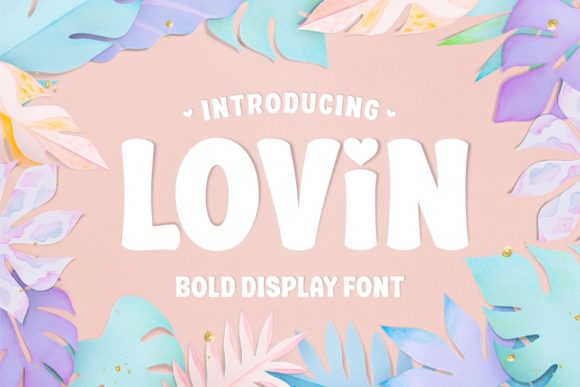
Why Lovin Might Be the Friendliest Font for Your Next Project
There's a certain warmth that comes from a design that just feels... approachable. You know it when you see it—a logo that feels like a handshake, a social media post that feels like a conversation, packaging that feels like a gift from a friend. Often, that feeling starts with the typography. A sharp, geometric sans serif can feel corporate and cold. A delicate script might feel exclusive and formal. But a font with soft, rounded edges and a casual, confident stance? That can feel like a welcome mat for your audience. That’s the space where Lovin lives.
More Than Just a Pretty Typeface
At its heart, Lovin is a clean and casual display font. Think of it as the typographic equivalent of your favorite comfortable yet stylish sweater—it’s relaxed, versatile, and makes everything feel a bit more inviting. Its defining characteristic is its inviting roundness. The terminals are soft, the curves are generous, and the overall impression is one of friendliness and modern ease. This isn't a font that shouts; it smiles. This makes it a powerful tool for projects where you want to establish an immediate, positive connection with your viewer.
But its appeal isn't just aesthetic. Lovin is a workhorse for modern creators. Its clarity at various sizes and its compatibility with popular cutting machines like Cricut and Silhouette make it a practical choice for both digital and physical projects. Whether you're designing a logo on screen or cutting vinyl for a custom mug, Lovin translates seamlessly. It’s this blend of personality and practicality that makes it more than just another pretty typeface in your library—it’s a genuine design asset.
Where Lovin Shines: From Screen to Shelf
The true test of any creative font is how it performs in the wild. Lovin’s friendly demeanor opens doors to a wide array of applications where a personal touch is key.
Building a Brand Identity: For small businesses, especially in the lifestyle, wellness, food, or family-oriented spaces, Lovin can become the cornerstone of a brand identity. Imagine it on a boutique bakery’s logo, the header of a parenting blog, or the packaging for artisanal candles. It communicates approachability and care, helping to build brand recognition through a consistent, warm visual language. Pair it with a simple, clean sans serif for body text, and you have a typography system that’s both distinctive and highly readable.
Engaging Social Media & Digital Presence: In the fast-scroll world of Instagram, Pinterest, and TikTok, you have a split second to make an impact. Lovin’s distinct shape catches the eye without being abrasive. It’s perfect for creating cohesive Instagram story templates, quote graphics that people want to save, or video thumbnails that stand out. For website headers or blog titles, it adds a burst of personality that can lower a visitor’s bounce rate and encourage them to keep reading.
Creating Tangible Magic: This is where Lovin’s compatibility with cutting machines becomes a superpower. Crafters and entrepreneurs can use it to create professional-looking merchandise, custom decals, personalized gifts, and event invitations with ease. The clean lines cut beautifully, ensuring your handmade products look polished and market-ready. Think custom tote bags, wedding signage, or thank-you cards that carry a genuine, handmade charm.
Practical Tips for Working with a Display Font
Using a display font like Lovin effectively is about balance and intention. Here’s how to get the most out of it.
Choose the Right Context: Lovin’s strength is in headlines, logos, and short bursts of impactful text. It’s not designed for setting long paragraphs of body copy—its friendly personality can become overwhelming and reduce readability in dense blocks. Use it to draw the eye and set the tone, then let a more neutral serif or sans serif font handle the detailed information.
Master the Art of Font Pairing: The key to a professional presentation is contrast and harmony. Lovin pairs beautifully with high-contrast partners. Try it with a classic, thin serif for an elegant yet approachable look (think wedding stationery). For a clean, modern web design, pair it with a geometric sans serif. Avoid pairing it with other highly stylized fonts like ornate scripts or heavy-handed handwritten fonts, as they will compete for attention and create visual chaos.
Consider Your Audience and Goals: Always ask: Does this font’s personality align with my message? Lovin is fantastic for conveying warmth, creativity, and approachability. It might be less suitable for a law firm’s annual report or a luxury watch brand’s minimalist ad campaign. Match the typography to the emotional response you want to evoke.
Test, Test, Test: Before you commit, test your chosen font in context. Place your Lovin-powered logo on a mockup of your website, a business card, and a social media profile. Check the readability at small sizes, especially for any taglines. Print a sample of your invitation or packaging label to see how the curves and edges feel in physical form. This step is non-negotiable for ensuring your final product is polished.
Review the Included Styles: Many premium fonts come with multiple weights or stylistic alternates. Explore what’s included with Lovin. Does it have a bold version for extra emphasis? Are there alternate characters (like a different ‘a’ or ‘g’) that might better suit your design? Utilizing these options can add depth and versatility to your projects without needing another typeface.
Understand the License: If you’re using Lovin for commercial projects—whether it’s for client work, selling merchandise, or marketing your own business—ensure you have the correct commercial license. This is a crucial, professional step that protects you and respects the work of the font’s creator. It’s a small investment for a significant design asset that can elevate your brand’s entire visual presence.
In the end, typography is a silent ambassador for your brand. Choosing a font like Lovin is a deliberate decision to communicate with a smile. It’s about selecting a design tool that doesn’t just look good, but feels right—one that helps you connect, engage, and present your work with a confident, friendly professionalism that people remember.