Victorian Alphabets Five: A Typeface of Timeless Elegance
There's a particular kind of visual statement that feels both historic and utterly contemporary. It's the look of a well-established brand, a premium invitation, or a logo that commands attention without shouting. This aesthetic often hinges on one critical element: typography. Choosing a typeface with character and presence can transform a simple design into a memorable piece of visual communication, bridging the gap between classic sophistication and modern appeal.
Understanding the Visual Personality of Victorian Alphabets Five
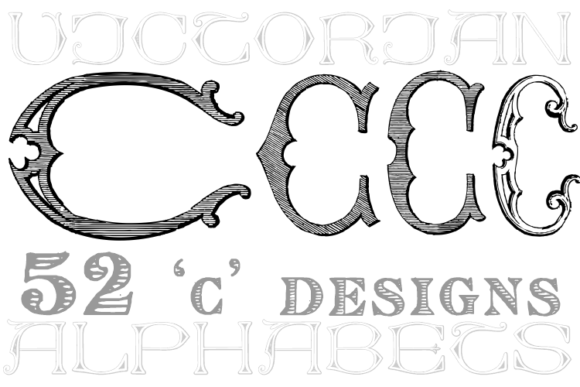
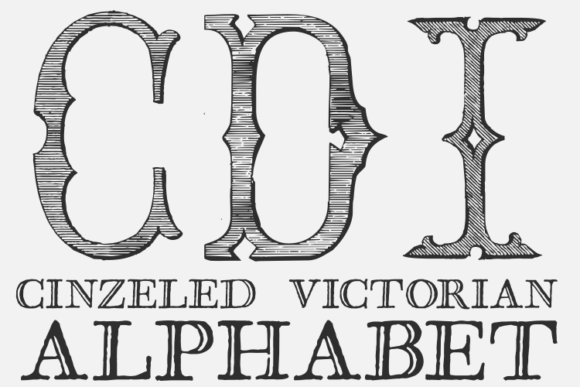
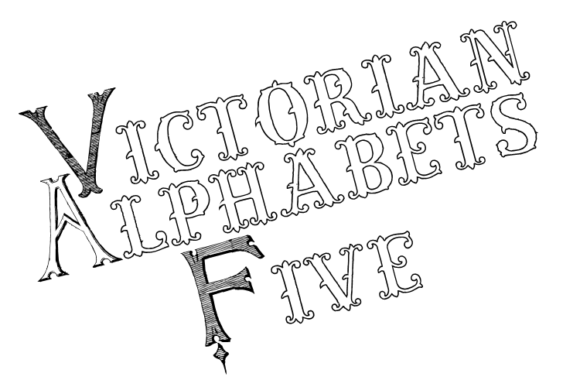
Victorian Alphabets Five is a distinct and imposing display font. It draws inspiration from the ornate, decorative typography of the 19th century, characterized by high contrast between thick and thin strokes, elegant serifs, and often, intricate detailing. This isn't a quiet, background font. It's designed to be the centerpiece of a layout, to establish a mood of luxury, tradition, or curated craftsmanship. Its classy and elegant look makes it particularly effective for projects where first impressions and perceived value are paramount.
The font's strength lies in its ability to convey heritage and quality. In a market saturated with minimalist sans-serifs and casual scripts, Victorian Alphabets Five offers a return to detailed, handcrafted aesthetics. It speaks of permanence and attention to detail—qualities that resonate deeply in branding and marketing. For a designer or business owner, this means using this typeface can instantly communicate a sense of established authority and refined taste, setting a project apart with visual weight and historical resonance.
Where This Premium Font Truly Shines: Practical Applications
Knowing a font is elegant is one thing; understanding where to apply it for maximum impact is another. Victorian Alphabets Five excels in contexts where display and headline text need to carry the design's emotional core. Consider its use in logo design for boutique brands, law firms, distilleries, or heritage-focused companies. A logotype set in this font immediately suggests tradition and substance.
Beyond logos, its applications are vast and varied:
- Branding & Stationery: Business cards, letterheads, and envelopes gain a level of professionalism and prestige. A monogram or brand mark using this typeface becomes a seal of quality.
- Invitations & Event Design: Wedding suites, gala invitations, and luxury event collateral benefit immensely. The font sets a formal, celebratory tone from the first glance.
- Packaging & Merchandise: Product labels for gourmet foods, spirits, artisanal goods, or high-end cosmetics can leverage its decorative style to suggest premium ingredients and meticulous production.
- Editorial & Print: Magazine covers, book titles, and poster headlines use such display fonts to grab attention on a crowded shelf or page.
- Digital Presence: When used strategically for website hero sections, blog post titles, or key social media graphics (like quotes or announcement posts), it can dramatically boost visual engagement and brand recognition.
The key is application with purpose. This font is not typically suited for long body copy. Its role is to headline, to accent, and to define. Using it for a main website navigation or a lengthy paragraph would sacrifice readability. Instead, pair it with a clean, simple sans-serif or serif font for supporting text to create a balanced and functional typographic hierarchy.
Integrating Victorian Alphabets Five into Your Design Workflow
Successfully incorporating a character-rich font like this requires a thoughtful approach. First, always consider your project's core message and audience. Is the goal to evoke old-world charm, modern luxury with a vintage twist, or artistic flair? The font's personality should align with the brand's voice. A tech startup might find it incongruous, while a custom tailor or artisan bakery would find it perfectly at home.
Next, master the art of font pairing. Contrast is your friend. Pair the ornate Victorian Alphabets Five with a geometric sans-serif for a striking modern-meets-classic tension. Alternatively, combine it with a humanist serif for a more harmonious, traditional feel. Test pairings in your actual design mockups—what looks good in a font specimen sheet may behave differently in a full layout. Pay close attention to size, weight, and spacing to ensure the display font dominates without overwhelming its companion.
Before finalizing, review the full character set and any included styles. A robust premium font will often include alternates, ligatures, and stylistic sets. These features allow for customization and can help you create more unique and refined typography, avoiding a generic look. Experiment with these OpenType features in design software like Adobe Illustrator or Photoshop to unlock the font's full potential.
Making Smart Choices for Commercial Projects
For any project intended for commercial use—whether it's a client's brand identity, merchandise for sale, or marketing materials—licensing is a non-negotiable consideration. Victorian Alphabets Five, as a premium commercial font, comes with a specific license that dictates how it can be used. Always purchase and adhere to the license that fits your project scope, whether it's for a single client, multiple projects, or for embedding in digital products like website themes or apps. This protects both you and the font designer, ensuring your work is legally sound.
Finally, always test your typographic choices in context. View your designs at the intended size, on the intended medium (a phone screen versus a printed poster), and gather feedback. Does the headline remain legible? Does the overall aesthetic communicate the right feeling? Typography is the voice of your design; ensuring it speaks clearly and appropriately is what separates good design from great, effective communication.