Tree Bark Font: A Rustic Typeface for Authentic Projects
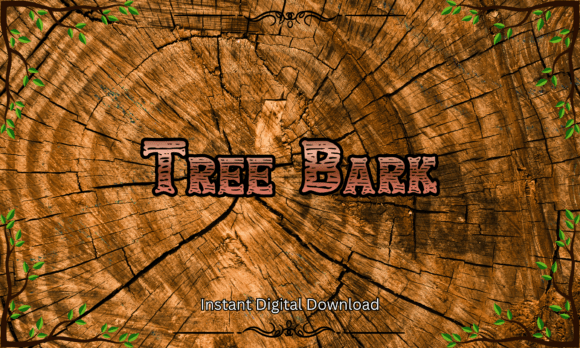
There’s a certain honesty to a hand-carved sign on a forest trail. The letters aren’t perfect; they’re shaped by the wood’s grain, slightly uneven, full of character. That’s the feeling the Tree Bark font captures. It’s not just another display typeface—it’s a texture, a mood, and a direct link to the aesthetics of the great outdoors. For designers and creators working on projects that need to feel grounded, authentic, and connected to nature, this font offers a shortcut to that rugged woodland charm.
Imagine you’re designing a logo for a local hiking gear shop or creating the branding for a cozy mountain cabin rental. You need typography that doesn’t just say “outdoors” but feels like it. That’s where a typeface inspired by bark texture shines. Its irregular edges and organic forms immediately communicate a handcrafted, artisanal quality that a clean, modern sans serif simply can’t provide. This isn’t about being messy; it’s about being intentionally textured and rich with personality.
More Than Just Letters: The Visual Appeal of Organic Typography
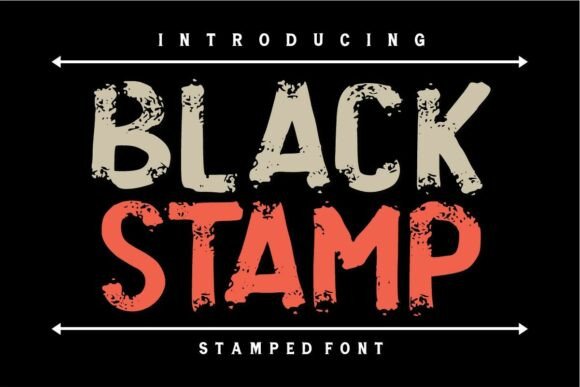
The power of the Tree Bark typeface lies in its visual weight and texture. Each letter appears as if it were chiseled or naturally formed from wood, giving it a bold, tactile presence. This makes it a standout choice for display purposes where you need a headline or logo to grab attention and set a specific tone. Unlike a standard serif font or sans serif font, its design elements are baked into the letterforms, creating an immediate and unmistakable rustic aesthetic.
This kind of creative font excels in specific scenarios. It’s the perfect tool for:
- Brand Identity: Building a cohesive visual language for outdoor, adventure, or artisanal brands. A logo set in a bark-inspired display font tells a story of durability and natural beauty before a customer reads a single word of copy.
- Packaging Design: For products like craft coffee, homemade jams, or camping gear, this typeface on the label or box immediately signals the product’s earthy, homemade, or adventurous spirit.
- Digital & Print Marketing: From social media graphics advertising a farmer’s market to posters for a fall festival, the font adds a layer of thematic depth that engages the audience on a sensory level.
Practical Applications: Where Rustic Charm Meets Real-World Projects
Knowing a font is beautiful is one thing; knowing how to use it effectively is another. The true value of a premium font like this is its versatility across a wide range of creative and commercial applications. It’s a design asset that can unify a project’s look, from a small DIY craft to a full-scale marketing campaign.
For a small business owner, consistency is key. Using this typeface across your logo design, website headers, and product packaging creates a memorable and professional brand identity. A content creator can use it for YouTube channel art or blog post featured images to reinforce a niche focused on travel, nature, or sustainable living. The font does the heavy lifting of establishing the mood, allowing you to focus on the message.
Consider these concrete uses:
- Editorial & Web Design: Use it for pull quotes or section headers in a magazine layout or a blog about wilderness survival. Pair it with a clean, readable body font to create a beautiful contrast that guides the reader’s eye.
- Merchandise & Apparel: It’s ideal for T-shirt designs, hats, and decals for outdoor brands or national park gift shops. The letters are bold enough to be read from a distance and have the character to become a wearable graphic.
- Event & Invitation Design: Wedding invitations for a forest ceremony, flyers for a camping fundraiser, or menus for a lodge restaurant all benefit from the warmth and authenticity this typography provides.
Pairing and Readability: Using Rustic Fonts with Finesse
A common concern with textured, decorative fonts is readability. While Tree Bark is designed for impact at larger sizes, it’s important to use it strategically. It’s not meant for body text. Its strength is in headlines, logos, and short bursts of impactful text. For longer paragraphs, always pair it with a highly legible serif font or sans serif font. A simple, clean script font or handwritten font can also complement it well for a softer, more personal touch in certain layouts.
When testing font pairings, look for contrast in style but harmony in mood. A geometric sans serif can provide a modern counterbalance to the organic texture, while a classic serif can enhance the traditional, artisanal feel. Always test your chosen combinations at the actual size they will be used, both on screen and in print, to ensure the overall design remains balanced and the key message is clear.
Finally, when investing in a commercial font, always review the licensing. A font that includes commercial use rights, like this one, is essential for any project intended for sale, promotion, or client work. It provides the legal peace of mind to use the asset across all your design assets and marketing assets without worry. By understanding its strengths and applying it thoughtfully, a typeface like Tree Bark becomes more than just a set of letters—it becomes a cornerstone of your visual storytelling.