Greta: Where Organic Charm Meets Modern Eccentricity
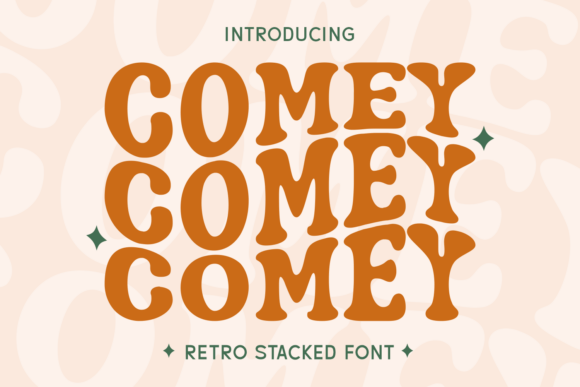
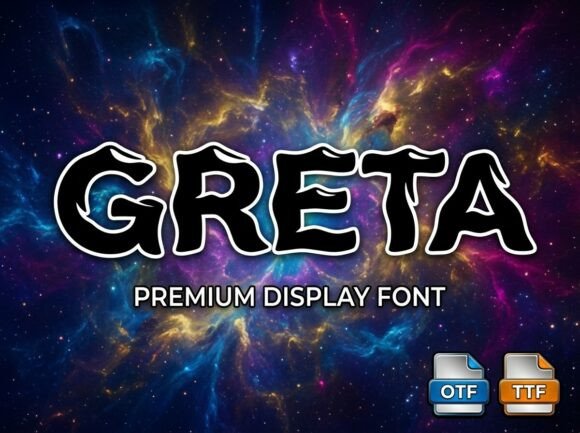
Imagine a typeface that feels like it was crafted by hand in a sun-drenched studio, yet polished enough for a contemporary brand campaign. That's the intriguing duality of Greta, a premium display font designed for visual storytellers who crave personality without sacrificing professionalism. Its bold, rhythmic letterforms aren't just letters; they're characters with a playful, almost "melting" aesthetic, featuring soft liquid drips and a slightly bouncy baseline that injects immediate warmth and movement into any headline. This isn't your standard corporate serif or sterile sans serif. It's a creative font with a friendly, heavyweight silhouette, offering a sophisticated yet approachable vibe that's hard to find.
A Typeface with a Human Touch
What sets Greta apart in a sea of modern typography is its intentional imperfection. The subtle drip details and fluid curves give it an organic, handcrafted feel, reminiscent of artisanal processes. This character makes it an exceptional tool for brands and creators who want to communicate authenticity, creativity, and a human-centric approach. Think of a small-batch coffee roaster, a boutique skincare line, or an independent publisher—Greta's personality aligns perfectly with stories that value origin and craft. Its heavy visual weight ensures your message is seen, while the soft edges keep it from feeling aggressive or cold. It delivers a sense of polished artisanal prestige, making your headlines feel both memorable and legendary.
From Packaging to Social Feeds: Practical Applications
The true test of any design asset is its versatility. Where does a character-driven display font like Greta truly shine? Its unique aesthetic makes it a standout choice for projects where first impressions are everything and brand identity needs to be communicated instantly.
Branding and Logo Design: For logos, Greta can become the cornerstone of a visual identity. Its distinctive look ensures high brand recognition, especially for businesses in creative, lifestyle, or artisanal sectors. It pairs beautifully with a clean sans serif or a simple serif font for body text, creating a dynamic and balanced typographic hierarchy. A logo set in Greta immediately signals a brand that is confident, creative, and a little unconventional.
Packaging Design: On product packaging, Greta's organic charm can make a shelf presence irresistible. Whether it's on a bottle of craft soda, a box of gourmet chocolates, or a sleeve of specialty tea, the font adds a layer of tactile, handmade appeal. It helps products feel premium and considered, directly connecting the visual design to the quality inside.
Digital Presence and Social Media: In the fast-scrolling world of social media, stopping power is crucial. Greta excels here. Use it for Instagram post headers, YouTube thumbnail titles, or Pinterest graphic overlays. Its playful energy is perfect for engaging content, blog headers, and digital product covers. For website design, it’s best used sparingly but effectively—think hero section headlines or section titles—to inject personality without compromising the readability of longer paragraphs.
Editorial and Print: In editorial layouts for magazines, lookbooks, or event posters, Greta commands attention. It’s ideal for pull quotes, chapter titles, or feature article headers, adding a burst of creative energy to the page. For print materials like business cards, brochures, or invitations, it sets a memorable tone, especially for creative industries, weddings, or artistic events.
Making It Work: Pairing and Practicality
Introducing a bold, expressive font like Greta into your toolkit requires a bit of strategy to maintain readability and professional presentation. The key is balance. Because Greta is a display font with high personality, it’s generally not suited for body copy or long-form text. Its strength lies in headlines, subheadings, and call-to-action text.
A fundamental rule of font pairing is contrast. Pair Greta with a highly legible, neutral typeface for body text. A classic sans serif like Helvetica or Open Sans provides a clean, modern counterpoint. Alternatively, a simple, old-style serif like Garamond or Adobe Caslon can create a beautiful, organic-to-traditional dialogue. The goal is to let Greta’s unique voice sing in the headlines while the supporting font ensures clear communication of detailed information.
Always test your pairings in context. View your Greta headline alongside your chosen body font at the actual size it will be used. Check the contrast in weight and style. Does the hierarchy feel clear? Does the overall composition feel harmonious or chaotic? Remember, licensing is also a practical consideration. As a premium commercial font, ensure you have the correct license for your project's scope, whether it's for a single client, a product line, or a web application.
Choosing Your Style and Final Thoughts
Many premium fonts, including Greta, often come in a family of styles—perhaps different weights, or alternates with more or less pronounced drip effects. Review the included font styles to see which variation best suits your project's tone. The most dramatic style might be perfect for a poster, while a subtler version could work for a boutique brand's logo.
Ultimately, choosing a creative font like Greta is about aligning your visual language with your story. It’s a tool for designers, entrepreneurs, and creators who understand that typography is a powerful component of brand identity. It’s not just about looking good; it’s about feeling right. For projects that aim to be friendly, creative, artisanal, and unmistakably human, Greta offers a compelling and polished solution that ensures your message isn’t just read, but remembered.