Blacktape: The Raw, Hand-Cut Font for Edgy Designs
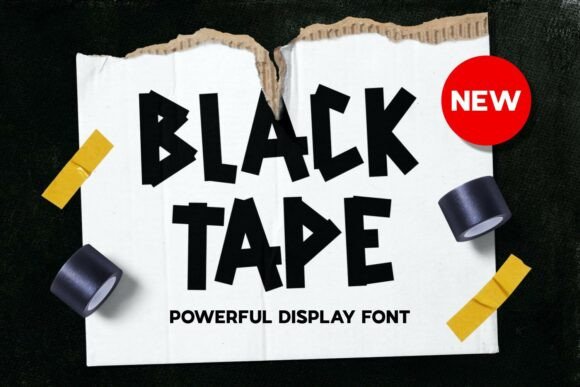
There’s a certain honesty to something made by hand. You see it in the imperfect edges of a screen-printed poster, the slight smudge on a zine, or the way tape peels at the corners of a collage. This raw, tactile energy is exactly what the Blacktape display font captures. Inspired by the DIY aesthetic of torn and hand-cut tape, this typeface doesn’t try to be perfectly polished. Instead, it leans into its sharp, irregular edges and uneven strokes, creating letters that look like they were meticulously sliced from a roll of black gaffer tape and stuck onto a surface. The result is a bold, geometric alphabet with unique angles and subtle distortions that vibrate with a dynamic, urban street style.
More Than Just a Typeface: Capturing an Attitude
What sets this creative font apart is its personality. It’s not a neutral workhorse; it’s a statement piece. The visual characteristics are deliberately imperfect, mimicking the slight resistance of a blade cutting through thick adhesive tape. The strokes aren’t uniform—some are thicker, some thinner, and the terminals often end in abrupt, angled cuts rather than smooth curves. This gives every letterform a sense of movement and energy, as if it’s about to spring off the page or screen. For designers, this means you’re not just choosing a set of characters; you’re adopting a specific visual language that communicates rebellion, authenticity, and hands-on craftsmanship. It’s a typeface that feels immediate and impactful, perfect for projects that need to cut through visual noise and make a bold first impression.
Where Blacktape Truly Shines: Practical Applications
Understanding a font’s strengths is key to using it effectively. Blacktape’s edgy display font style is engineered for high-impact, short-text applications where personality is paramount. It excels in contexts that celebrate individuality and a touch of gritty realism.
- Branding & Logo Design: For brands in skate culture, indie music, streetwear, or artisanal crafts, this font can form the core of a memorable logo. Its distinctiveness aids brand recognition, instantly conveying a specific vibe without a single word of explanation. Pair it with a clean sans-serif for body text to balance its intensity.
- Poster & Merchandise Design: This is where Blacktape feels most at home. Think gig posters for punk or rock bands, festival lineups, or promotional flyers for a local art show. The letters have the visual weight and irregularity to grab attention from a distance, making it ideal for merchandise like t-shirts, hats, and stickers.
- Packaging & Product Labels: For small-batch products, craft supplies, or indie brand packaging, the font adds an authentic, handmade feel. It suggests the product inside is made with care and individuality, not mass-produced. It’s particularly effective for labels on skate wax, DIY kits, or artisanal goods.
- Social Media & Digital Content: In the fast-scrolling world of social media, a distinctive header font can stop thumbs. Use Blacktape for Instagram story highlights, YouTube thumbnail text, or bold statement graphics on Pinterest. Its texture translates surprisingly well to digital screens, adding depth to flat designs.
- Editorial & Invitations: While not for long body copy, it makes a striking headline for magazine articles about underground culture, or for the main title on event invitations for gallery openings, launch parties, or themed weddings that embrace a non-traditional aesthetic.
Strategic Pairing and Readability: Making It Work
Using a strong display typeface like this requires a thoughtful approach to maintain professionalism and clarity. The goal is to leverage its energy without sacrificing the viewer’s ability to easily consume information.
Font Pairing is Critical. Never set a paragraph of body copy in an edgy display font. Its irregular shapes make extended reading tiring. The smart strategy is to use Blacktape for headlines, subheadings, and short call-to-action phrases, then pair it with a highly readable, neutral typeface. A simple, geometric sans-serif or a classic serif often provides a perfect counterbalance, allowing the display font’s character to shine while keeping the overall design grounded and accessible.
Context Dictates Usage. Consider the platform. On a website, it might be perfect for a hero banner title but disastrous for navigation menus. In a print brochure, a large, bold headline using this font can set a powerful tone, but the event details and pricing should be in a different, clearer typeface. Always test the font at the actual size it will be viewed. What looks sharp and edgy as a 72-point headline might become an unreadable blob at 14 points.
Licensing and Style Variations. Before purchasing any premium font, verify the licensing covers your intended use—whether for personal projects, client work, or commercial merchandise. Most quality fonts, including Blacktape, will come with a family of styles (e.g., Regular, Bold, Outline, maybe a distressed variant). Exploring these styles expands your creative toolkit, allowing you to maintain visual consistency across a project while introducing variety.
Building a Cohesive Visual Identity
When you consistently use a typeface like Blacktape across your brand’s touchpoints—from your Instagram posts to your product hang tags—you’re doing more than just picking a cool font. You’re building a layer of your brand’s visual identity. This consistency helps your audience recognize you instantly, even before they read a word. The font’s inherent style becomes part of your brand’s story, suggesting values like creativity, independence, and a DIY spirit. It turns typography from a mere functional element into a core component of your brand’s personality, helping you connect on an emotional level with an audience that appreciates that raw, authentic edge.
Ultimately, choosing a typeface is about finding the right voice for your message. Blacktape isn’t for every project. But for those aiming to inject a dose of urban energy, handcrafted authenticity, and bold visual punch, it offers a powerful and distinctive tool. It’s a reminder that sometimes, the most compelling designs aren’t perfectly smooth—they’re gloriously, intentionally rough around the edges.